
Nerves help your body feel, move, and respond to the world around you. They carry messages between your brain, spinal cord, muscles, and skin. When a nerve is damaged, those messages can be interrupted.
Nerve damage may cause symptoms such as numbness, tingling, weakness, burning pain, loss of movement, or changes in sensation. For some people, symptoms may affect everyday activities such as holding objects, walking, working, sleeping, or using the affected hand, arm, leg, or foot.
Your surgeon may recommend a nerve procedure if a nerve has been cut, compressed, trapped in scar tissue, or is affected by a painful neuroma.
What is Remplir?
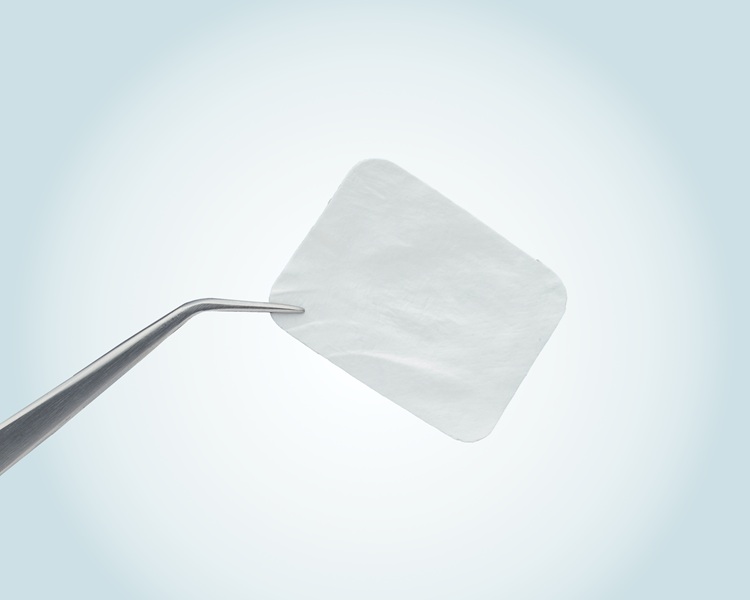
Remplir™ is a collagen nerve wrap that may be used by surgeons during peripheral nerve surgery. It is designed to wrap around a repaired or treated nerve and help protect it while healing takes place.
Collagen is a natural structural protein found in the body. In Remplir, collagen is processed into a medical device that can be placed around the nerve during surgery without creating an inflammatory reaction.
Remplir does not replace the nerve. Instead, it is designed to help create a protected environment around the nerve repair site.
Why might a nerve need a wrap?
After a nerve injury or surgery, scar tissue can form around the nerve. Too much scar tissue may limit how the nerve moves, irritate the nerve, or contribute to ongoing symptoms.
A nerve wrap may be used to help separate the nerve from the surrounding tissue, reduce tethering, and support smoother movement of the nerve as the body heals. It may also help protect the area where the nerve has been repaired.
When may Remplir be used?
Your surgeon may consider Remplir in different types of nerve procedures, including:
Nerve repair
When a nerve has been cut or injured and needs to be repaired.
Nerve protection
When a nerve has been compressed, trapped, or surrounded by scar tissue.
Nerve decompression
When pressure is removed from a nerve, such as in certain compression conditions.
Nerve graft
When a cut nerve cannot be joined without tension or there is a significant loss of nerve tissue, a surgeon may use a nerve graft from the patient’s own body or processed donor tissue to bridge the gap and guide healing.
Neuroma management
When a painful bundle of nerve tissue, called a neuroma, needs to be treated. The decision to use Remplir depends on your condition, your injury, your surgery, and your surgeon’s clinical judgment.
What happens during surgery?
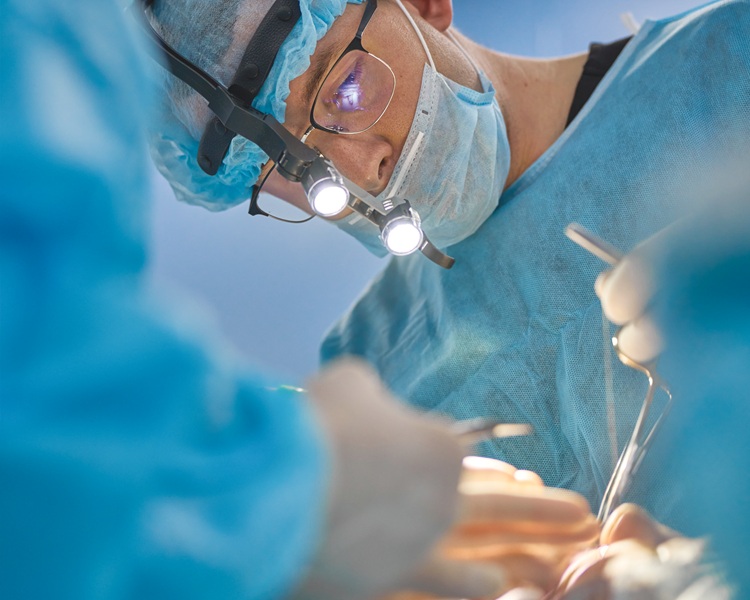
During nerve surgery, your surgeon identifies the affected nerve and performs the required repair or treatment. If Remplir is used, the surgeon places the wrap around the nerve or repair site.
The goal is to help protect the nerve during healing and support the body’s natural repair process.
Your surgeon will explain what type of procedure you are having, why it is being recommended, and what recovery may involve.

What happens after surgery?
Recovery from nerve surgery can take time. Nerves often heal slowly, and improvement may occur gradually over weeks or months. Some people may need hand therapy, physiotherapy, splinting, wound care, or follow-up testing depending on the type and location of the nerve injury.
Your recovery may depend on several factors, including:
- The type of nerve injury
- How long the nerve has been damaged
- The location of the nerve
- Your age and general health
- Whether the nerve was cut, compressed, stretched, or scarred
- The type of surgery performed
- Your rehabilitation plan
Your surgeon is the best person to explain what recovery may look like for your individual situation.
Safety information
More than 75,000 Orthocell collagen devices have been sold globally as of May 2026, with no device-related adverse events reported at that time. Preclinical testing also reported no signs of inflammation, foreign body reaction, cytotoxicity, sensitization, or tissue irritation.
All surgery involves risk. Possible risks may include infection, pain, swelling, stiffness, bleeding, scarring, changes in sensation, incomplete recovery, or the need for further treatment. Your surgeon will discuss the risks and benefits that are relevant to your procedure.
Questions to ask your surgeon
You may wish to ask:
- What type of nerve problem do I have?
- Is my nerve cut, compressed, stretched, scarred, or affected by a neuroma?
- What are the treatment options?
- Why are you recommending surgery?
- Will a nerve wrap be used in my procedure?
- What is Remplir designed to do?
- What are the risks and benefits in my case?
- How long may nerve recovery take?
- Will I need hand therapy or physiotherapy?
- What signs or symptoms should I report after surgery?
Patients report life-changing outcomes
Mobility is foundational to human connection and quality of life. For people who have experienced serious peripheral nerve damage, every recovery milestone matters – as they strive to return to normal function.

Meet Jasmine McGough
The vibrant 14-year-old from Perth was doing what she loved most, riding her mountain bike on a trail with her family in Margaret River, when she hit a log and fell in a particularly harsh position on her back. She fractured her C5 vertebrae and acquired a severe spinal cord injury.
“The treatment I received to repair my nerve damage has been completely life altering. Prior to the treatment I had lost full function of my hand, making the simplest of tasks impossible – from tying my own shoelaces to changing my baby’s nappy. I have now made a full recovery and am now able to complete tasks unassisted and pain-free giving me back my freedom and independence. The treatment has also allowed me to return to the sport I love of rock climbing.”
View Jasmine’s Story →
Meet Liam Shepherd
At the age of 17, Liam was involved in a horrific car accident that left him with a C6 spinal cord injury and confinement to a wheelchair. Since his surgery with Remplir, Liam has reclaimed abilities he once thought impossible – including driving a modified car.
“Now, I refer to myself as basically a paraplegic – that’s how much function I’ve got back. Almost everything that a general person can do, I can do. I can even carry around three or four kilos in one hand without any issues now.”
View Liam’s Story →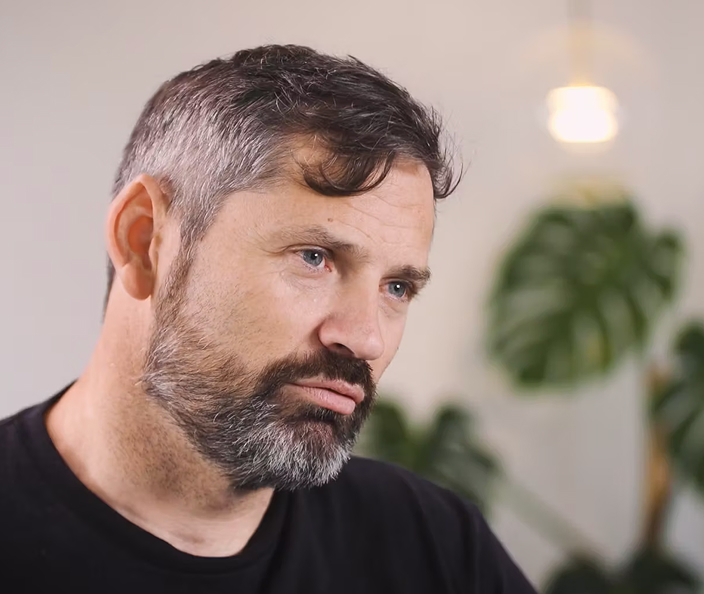
Meet Adrian Walsh
There is a moment in time that stands still in the mind of 43-year-old Adrian Walsh. In an instant on 18 June 2017, life for this active father of three changed forever.
“I have just got my drivers license back. I’m now waiting for modifications on my car to get signed off so I can start driving again, which will vastly improve our home life. I drive with my good arm, my left arm, and I accelerate and break with the right arm. Improved arm and finger function makes this so much easier – it’s a big help.”
View Adrian’s Story →