

Orthocell develops regenerative medicine technologies used by surgeons to support the repair of damaged nerves, bone, and soft tissue.
When injury, disease, or surgery affects the body’s ability to heal, the right surgical approach and biomaterial support can play an important role in recovery. With a background in autologous cell therapies, Orthocell’s technologies are designed to work with the body’s natural healing processes and help create an environment that supports tissue repair. This information is intended to help patients better understand these technologies and support informed conversations with a qualified healthcare professional.
Understanding regenerative medicine
The body has a natural ability to heal, but some injuries are difficult to repair on their own. Tendons, cartilage, bone defects and nerves may need additional support when damage is significant, long-lasting or slow to heal.
Orthocell’s products are designed to support the body’s natural repair processes in different areas of the body. Some use a patient’s own cells. Others use collagen-based medical devices that help create a supportive environment for healing.
When surgical repair may be needed
Trauma, injury and nerve pain
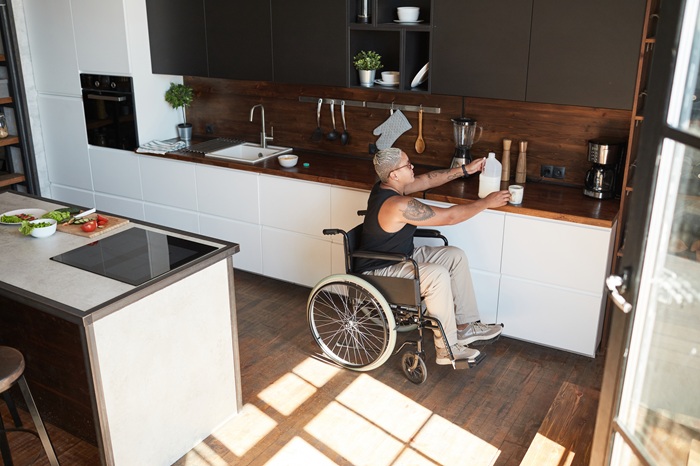
Peripheral nerves can be crushed, bruised, stretched, compressed, or cut due to traumatic injuries such as motor vehicle or sporting accidents, falls, gunshot wounds, and sharp cuts from glass, knives, or power tools. Due to their small size, nerves may also be unintentionally damaged during surgery. When nerves regenerate after injury, tissue may sometimes form a painful neuroma, either within a damaged nerve or at the end of a severed nerve. Symptoms depend on the location and severity of the injury, but may include changes in sensation, sensitivity, muscle weakness, pain, loss of feeling, or reduced function.
Guided bone and tissue regeneration
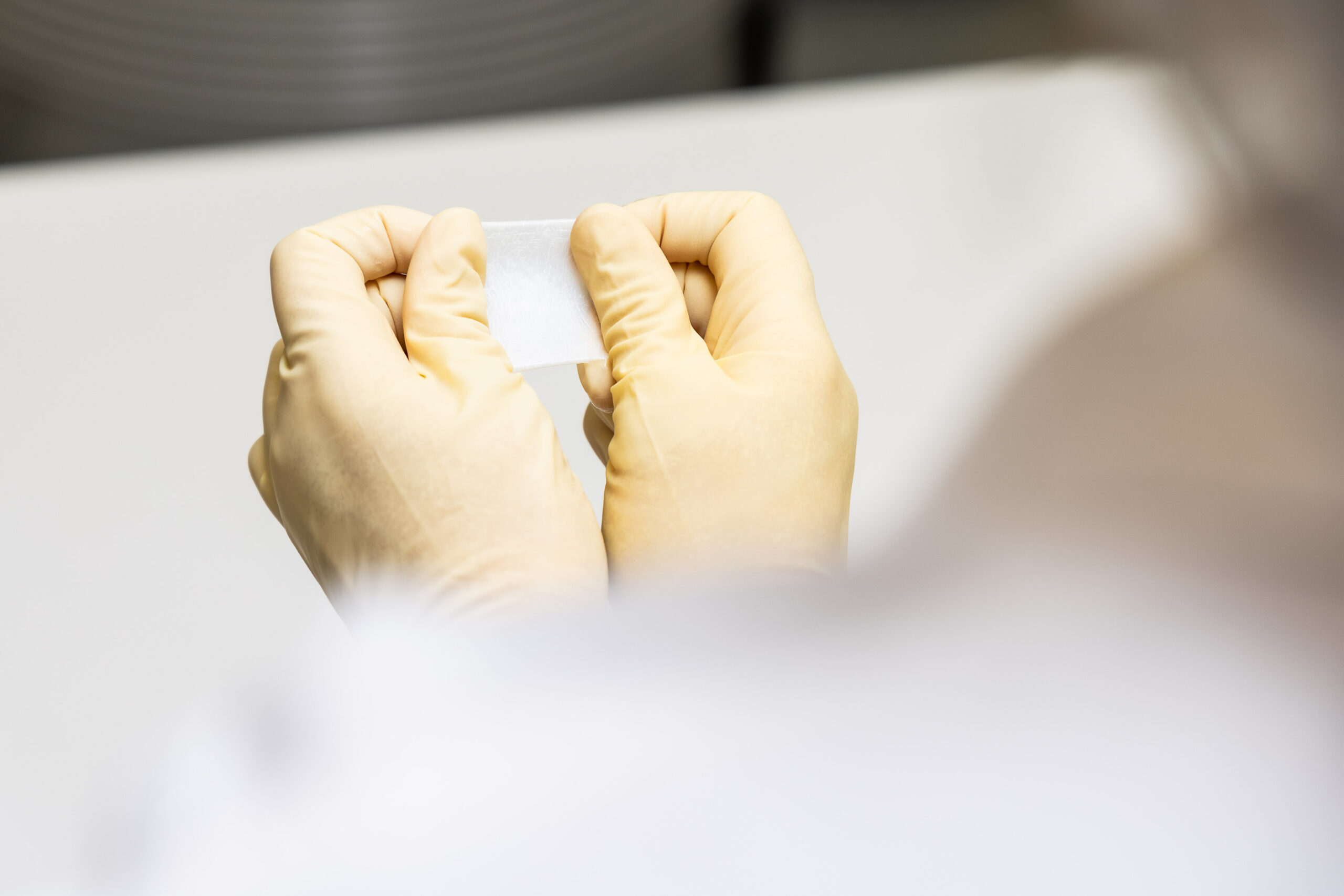
Patients undergoing treatment with an orthodontist, dentist, periodontist, or oral surgeon may require support for bone or gum tissue healing after tooth loss, infection, injury, dental implant planning, or other oral surgery procedures. In some cases, guided bone regeneration and guided tissue regeneration procedures using a barrier membrane may be recommended. Striate+ is a collagen membrane that may be placed over the treatment area to act as a protective barrier during healing. Over time, the membrane is naturally broken down by the body and is typically absorbed within about six months.

Cartilage injury and defects
For patients with damage to the smooth cartilage surface inside a joint, may be suitable candidates for autologous chondrocyte infusion. Cartilage damage can cause pain, swelling, stiffness and reduced movement. The treatment uses a small sample of the patient’s own cartilage cells. These cells are prepared in Orthocell’s laboratory and implanted by an orthopaedic surgeon to help repair the damaged area. These treatments may be considered when symptoms persist despite standard care, and when a specialist determines that cell therapy is suitable for the cartilage defects in joints such as the knee, kneecap or ankle.

Chronic tendon injuries
Patients with ongoing tendon pain or tendinopathy that has not improved with standard care such as rest, physiotherapy, rehabilitation or injections may be suitable for autologous tenocyte infusion. It uses a small sample of the patient’s own tendon cells, which are prepared in Orthocell’s laboratory and returned to the injured tendon by a trained clinician. These treatments may be considered when symptoms persist despite standard care, and when a specialist determines that cell therapy is suitable for your condition. As OrthoATI is not listed on the ARTG, treatment is only available via the TGA’s Special Access Scheme.
Your treatment journey
1. Speak with a healthcare professional
Orthocell products are used by qualified healthcare professionals in Australia. Start by speaking with your GP, dentist, physiotherapist, specialist or surgeon. They can assess your symptoms and refer you to a specialist for further investigation if needed.
2. Confirm the diagnosis and discuss options
Your clinician may use a physical examination, imaging or other tests to understand the type and extent of your injury or condition. Treatment depends on your diagnosis, overall health, lifestyle, recovery goals and whether standard care has already been tried.
3. Understand the procedure and recovery
Your clinician will explain what the treatment involves, what recovery may look like and what outcomes are realistic for your condition. Recovery times can vary dramatically depending on your condition, clinical assessment and treatment plan and could involve post procedure referrals to allied health professionals.
4. Questions to ask your clinician
Before deciding on treatment, you may want to ask:
- What is causing my symptoms?
- Which treatment options are suitable for my condition?
- Could an Orthocell product be used as part of my treatment?
- What are the expected benefits and risks?
- What does the procedure involve?
- What is the likely recovery time?
- What rehabilitation or follow-up care will I need?
Every patient journey is different.
Understanding peripheral nerve procedures
Nerve reconstruction
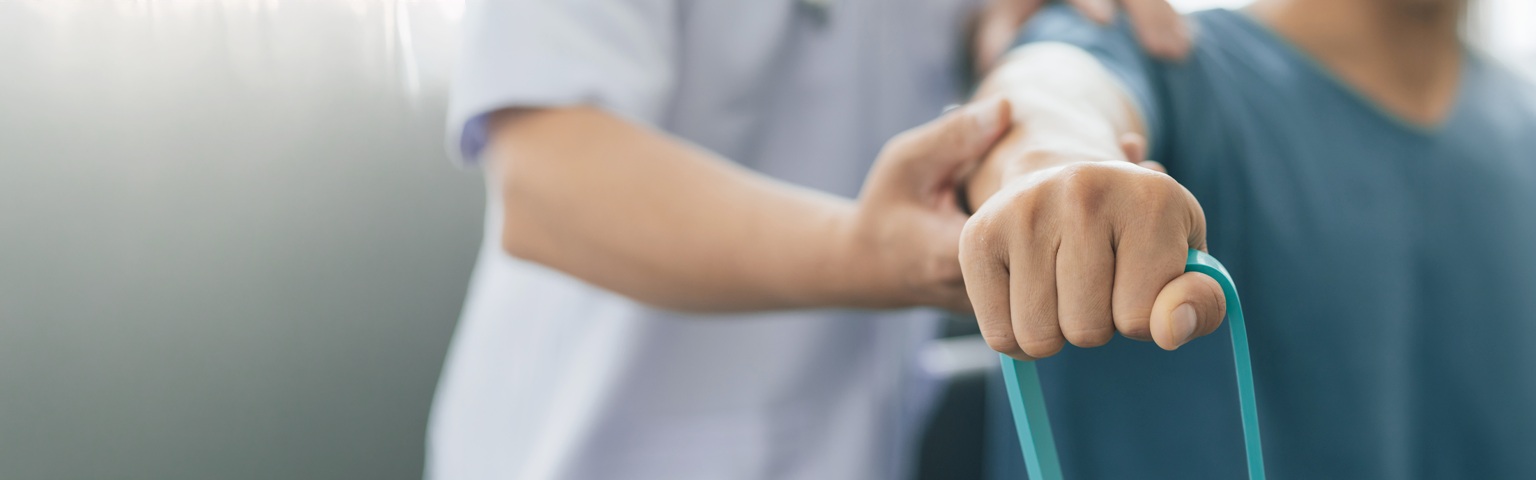
If a nerve is completely cut, due to trauma or during surgery (e.g., removal of a neuroma), the two nerve ends need to be re-connected to allow nerve regeneration and to restore function. Where possible, the nerve will be repaired directly by suturing the two ends together. In some cases, if the gap between the two nerve ends is too large, and the surgeon will need to bridge the gap using a nerve graft. Nerve grafts may be autologous (a donor nerve harvested from elsewhere in your body), or an allograft (from donated tissue).
Nerve transfer
Nerve transfer involves taking an uninjured nerve (the donor) and connecting it to the end of a nerve that is no longer functioning (the recipient). If the connection is successful, the nerve fibers regenerate from the donor nerve to the recipient to return function to the area of the body supplied by the recipient nerve. Nerve transfers are an option when the gap between nerve ends is too large for a graft repair. Nerve transfer surgery may also be performed to return movement to paralysed limbs in people with spinal cord injuries, or injuries very close to the spinal cord (e.g., brachial plexus injuries). In these procedures, a functioning donor nerve taken from above the level of the injury is connected to a non-functioning nerve below the level of the injury.
Nerve decompression
If a nerve is trapped and compressed by surrounding tissue such as bone, tendon, or ligament, surgery may be required to release the nerve, allowing it to heal. The surgeon may also reposition the nerve to prevent further irritation and compression. Common nerve decompression surgeries include carpal and cubital tunnel release.
Nerve capping
Sometimes it isn’t possible to reconnect a damaged nerve, for example after amputation of a limb or digit. If left untreated, the open nerve end could develop a painful neuroma. One method of reducing the chance of neuroma formation is to place a protective cap around the end of the nerve to protect it from the surrounding tissue.
The Healing Power of Remplir™
Nerve repair surgery can be complex and challenging. The sutures used to repair nerves can themselves have a negative impact on nerve healing. Remplir is a nerve wrap that surgeons can use to assist with nerve repair surgery. Remplir helps in two ways:
- Using Remplir simplifies the surgical procedure by reducing the number of sutures required to keep the nerve ends in place.
- Remplir, when wrapped around the repaired nerve, provides protection of the nerve from the surrounding tissues and provides the ideal environment for healing.
Remplir is the ideal biomaterial for use in nerve repair surgery. It is strong and flexible, making it easy to handle. It doesn’t react or cause inflammation in the body, but creates an optimal healing environment for successful nerve regeneration. Once the nerve has healed, Remplir is broken down by natural processes and is gone within about three months after your surgery.
Meet our Patients
Mobility is foundational to human connection and quality of life. For people who have experienced serious peripheral nerve damage, every recovery milestone matters – as they strive to return to normal function.

Meet Jasmine McGough
The vibrant 14-year-old from Perth was doing what she loved most, riding her mountain bike on a trail with her family in Margaret River, when she hit a log and fell in a particularly harsh position on her back. She fractured her C5 vertebrae and acquired a severe spinal cord injury.
“The treatment I received to repair my nerve damage has been completely life altering. Prior to the treatment I had lost full function of my hand, making the simplest of tasks impossible – from tying my own shoelaces to changing my baby’s nappy. I have now made a full recovery and am now able to complete tasks unassisted and pain-free giving me back my freedom and independence. The treatment has also allowed me to return to the sport I love of rock climbing.”
View Jasmine’s Story →
Meet Liam Shepherd
At the age of 17, Liam was involved in a horrific car accident that left him with a C6 spinal cord injury and confinement to a wheelchair. Since his surgery with Remplir, Liam has reclaimed abilities he once thought impossible – including driving a modified car.
“Now, I refer to myself as basically a paraplegic – that’s how much function I’ve got back. Almost everything that a general person can do, I can do. I can even carry around three or four kilos in one hand without any issues now.”
View Liam’s Story →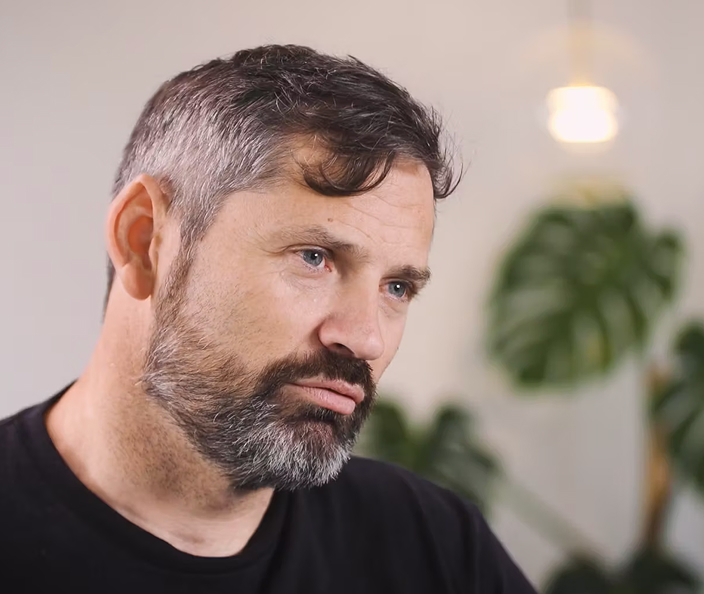
Meet Adrian Walsh
There is a moment in time that stands still in the mind of 43-year-old Adrian Walsh. In an instant on 18 June 2017, life for this active father of three changed forever.
“I have just got my drivers license back. I’m now waiting for modifications on my car to get signed off so I can start driving again, which will vastly improve our home life. I drive with my good arm, my left arm, and I accelerate and break with the right arm. Improved arm and finger function makes this so much easier – it’s a big help.”
View Adrian’s Story →Access Remplir™
For more information about how Remplir may help your nerve surgery, please contact us or speak with a qualified healthcare professional.