

Nerves help your body feel, move, and respond to the world around you. They carry messages between your brain, spinal cord, muscles, and skin. When a nerve is damaged, those messages can be interrupted.
Nerve damage may cause symptoms such as numbness, tingling, weakness, burning pain, loss of movement, or changes in sensation. For some people, symptoms may affect everyday activities such as holding objects, walking, working, sleeping, or using the affected hand, arm, leg, or foot.
Your surgeon may recommend a nerve procedure if a nerve has been cut, compressed, trapped in scar tissue, or is affected by a painful neuroma.
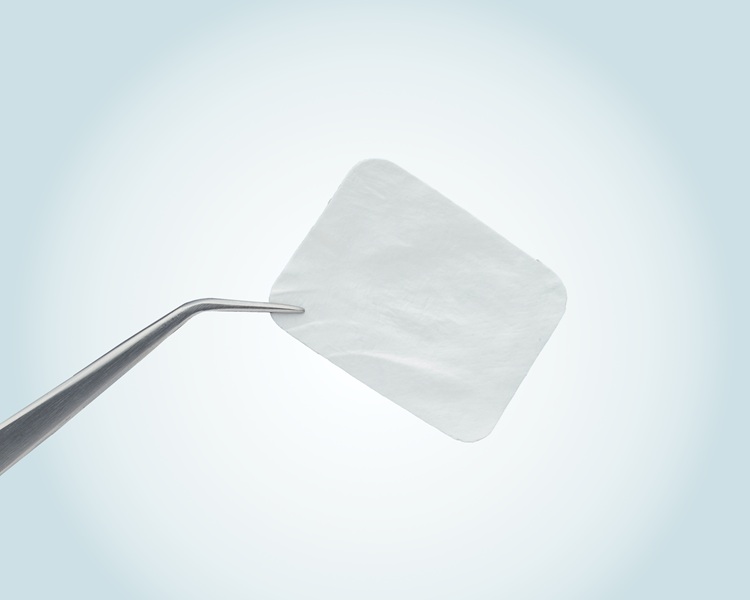
What is Remplir?
Remplir™ is a type of nerve wrap. Remplir™ forms a protective layer over the repair site while the new nerve grows.
Remplir™ is made of collagen. Collagen is a common substance in humans found mainly in skin, bones, muscles and tendons. Remplir™ is made of collagen from pigs, but has been treated so that it is safe to use in people.
A nerve wrap provides protection to the injured nerve while it heals. It does this by preventing other tissues growing where the new nerve should grow.
Why might a nerve need a wrap?
After a nerve injury or surgery, scar tissue can form around the nerve. Too much scar tissue may limit how the nerve moves, irritate the nerve, or contribute to ongoing symptoms.
A nerve wrap may be used to help separate the nerve from the surrounding tissue, reduce tethering, and support smoother movement of the nerve as the body heals. It may also help protect the area where the nerve has been repaired.
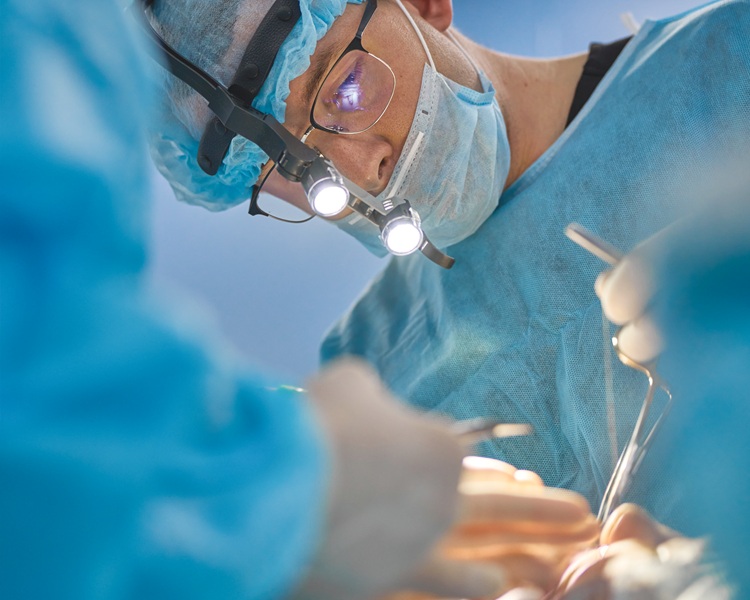
What happens during surgery?
During nerve surgery, your surgeon identifies the affected nerve and performs the required repair or treatment.
The goal is to help protect the nerve during healing and support the body’s natural repair process.
Your surgeon will explain what type of procedure you are having, why it is being recommended, and what recovery may involve.

What happens after surgery?
Recovery from nerve surgery can take time. Nerves often heal slowly, and improvement may occur gradually over weeks or months. Some people may need hand therapy, physiotherapy, splinting, wound care, or follow-up testing depending on the type and location of the nerve injury.
Your recovery may depend on several factors, including:
- The type of nerve injury
- How long the nerve has been damaged
- The location of the nerve
- Your age and general health
- Whether the nerve was cut, compressed, stretched, or scarred
- The type of surgery performed
- Your rehabilitation plan
Your surgeon is the best person to explain what recovery may look like for your individual situation.
Safety information
More than 75,000 Orthocell collagen devices have been sold globally as of May 2026, with no device-related adverse events reported at that time. Preclinical testing also reported no signs of inflammation, foreign body reaction, cytotoxicity, sensitization, or tissue irritation.
All surgery involves risk. Possible risks may include infection, pain, swelling, stiffness, bleeding, scarring, changes in sensation, incomplete recovery, or the need for further treatment. Your surgeon will discuss the risks and benefits that are relevant to your procedure.
Questions to ask your surgeon
You may wish to ask:
- What type of nerve problem do I have?
- Is my nerve cut, compressed, stretched, scarred, or affected by a neuroma?
- What are the treatment options?
- Why are you recommending surgery?
- Will a nerve wrap be used in my procedure?
- What is Remplir designed to do?
- What are the risks and benefits in my case?
- How long may nerve recovery take?
- Will I need hand therapy or physiotherapy?
- What signs or symptoms should I report after surgery?